How Much Does Email Marketing Cost for a Small Business in 2026? (An Honest Orlando Guide)

John R Ramos • May 22, 2026

Let me guess. You know email marketing could help your business, but every time you start looking into it, you hit the same wall: nobody will give you a straight answer on what it actually costs.


One site says it is “affordable.” Another says, “It depends.” A third wants your email address before they will tell you anything. Meanwhile, you are a busy small-business owner in Orlando, just trying to figure out whether this fits your budget.


So let me do something different here. I am going to give you real numbers.


No runaround. No “contact us for a quote” wall. Just an honest breakdown of what email marketing costs in 2026, whether you do it yourself or hire someone to do it for you — so you can make a smart decision for your business.

First, There Are Really Only Two Paths

When it comes to email marketing, almost every small business ends up on one of two roads:


•     Do it yourself — you sign up for a platform and run your own campaigns.

•     Have someone do it for you — you hand it off to a pro and stay focused on running your business


Neither one is “right” or “wrong.” It honestly comes down to how much time you have and how much of this you want on your plate. Let us look at what each path actually costs.

Path 1: Doing It Yourself — The Platform Cost

If you go the DIY route, your main expense is the email platform itself. There are several good ones out there — Mailchimp, Brevo, and others all have their fans, and I will be the first to tell you the “best” one depends on your needs. That said, the platform I recommend and work with most for small businesses is Constant Contact, because it is genuinely easy to use, the support is solid, and it does not overwhelm a beginner.


Here is what Constant Contact actually costs in 2026, in plain numbers:


Lite — $12/month: Testing the waters. Basic features only. Fine to start, but limited.

Standard, up to 500 contacts — $35/month: The sweet spot for most small businesses. More automation and the tools you'll actually use.

Standard, 501–1,000 contacts — $55/month: A growing list.

Standard, 1,001–2,500 contacts — $75/month: A well-established list.

Premium, 500 contacts — $80/month: Everything Constant Contact offers — the full toolbox, including the advanced features. 

Notice the pattern: on the Standard plan, your price goes up as your contact list grows. That makes sense — a bigger audience is a good problem to have. The Lite plan at $12 is the cheapest door in, but be honest with yourself: it is stripped down, and most businesses outgrow it fast.


Two honest “watch out for these” notes: a couple of features cost extra no matter which plan you pick. Text message (SMS) marketing and the tool that lets you preview how your email will look in different inboxes are each around an extra $10 per month. Not deal-breakers, but you should know before you are surprised on a bill.


The Part Most People Miss: You Can Try It for Free First

Here is something I always tell people, because it takes the risk out of the whole thing. You do not have to pay anything to start.


Constant Contact gives you a 30-day free trial with no credit card required upfront. During those 30 days you can load up to 100 contacts and actually play with the features — build an email, schedule social posts, the works.

My personal tip? Do not dump all 100 contacts in on day one. Start with about 25 so you get a real feel for how it works without any pressure. Just remember the trial ends at either 100 contacts or 30 days, whichever comes first — so once you are comfortable, that is your signal to pick a plan and keep going.


Want to try it with zero risk? Start your free 30-day Constant Contact trial here — no credit card needed.


What You Actually Get for the Money

So what does that monthly fee buy you? A surprising amount, honestly:


•     Drag-and-drop email building — no coding, no design degree required

•     Hundreds of ready-made templates

•     The ability to post to Facebook, Instagram, and LinkedIn right from inside the platform (no WhatsApp at this time)

•     Automated welcome emails for new subscribers

•     Reporting so you can see who opened, clicked, and what worked

•     Free phone support six days a week — plus you can always call me for free


That last point matters more than people realize. The whole reason to use a platform instead of just emailing from Gmail is that you can finally see what is working and stop guessing.


And Here Is the Part That Sealed It for Me: Free Support, Six Days a Week


If you are a little nervous about the tech side, this is the part that should put you at ease. Constant Contact gives you free phone support six days a week — which, honestly, is rare in this industry. Most platforms push you toward a help article and a chatbot. With Constant Contact, you can call a real human and ask as many questions as you need, as many times as you need, at no extra charge. (Hours shift a bit by day and region, so check their site for the current schedule — or just call me.)


Because here is the other part: you can always call me, too — also free. I am happy to walk you through anything. I want to be upfront about why I feel so strongly about recommending this particular platform: I have personally been a Constant Contact user for nearly 14 years. I am not pitching you something I read about — I am recommending a tool I have trusted with my own business for well over a decade, with a reputation that holds up not just here but internationally. That is not a small thing to me.


Path 2: Having Someone Do It for You


Now, here is the honest truth about the DIY path: the software is the easy part. The hard part is finding the time to actually write the emails, design them, build your list, schedule everything, and stay consistent week after week.


This is exactly why social media alone is not enough, and why building an email list you actually own matters so much. I wrote more about that idea here: why you should stop “renting” your audience on social media.


If you are like most owners I talk to, you nodded along to that paragraph and then sighed, because you already know you do not have the hours. That is where hiring help comes in.


When you work with a done-for-you partner (like me, at The JR Solutions), you are paying for someone to handle the strategy, the writing, the design, and the consistency — so it actually gets done. Done-for-you email marketing services start in the few-hundred-dollars-a-month range depending on how much you want handled, and the platform fee above is part of that picture too.


If you want to see how content and email work together as a system — not just random sends — I broke that down here: Email Marketing for Content Kings.


So… Which One Is Right for You?


Here is the gut-check I would give a friend:

•     If you have a few hours a month and you like learning new tools — start with the free trial and do it yourself. You can absolutely run effective email marketing on a $12–$ 35-a-month budget.


•     If your time is already maxed out and the thought of one more task makes you tired — hand it off. Your time running your business is worth more than the hours you would spend wrestling with templates.


There is no wrong answer. The only wrong move is doing nothing, because email is still one of the highest-return tools a small business has — and unlike social media, you own it.


A Final Word for My Fellow Central Florida Businesses 


Whether you are a startup in Orlando, a shop in Winter Park, or a service business anywhere in Central Florida, the cost of email marketing is almost certainly lower than you feared. The barrier was never really the money. It was the not-knowing. Hopefully, this cleared that up.


Ready to start for free? Grab your 30-day Constant Contact trial — no credit card required.


Rather have it handled for you? Email me at john@thejrsolutions.com or call 407-617-2910 for a free 30-minute consultation. We will figure out which path fits your business and your budget — no pressure, no jargon.

Final Thoughts


At The JR Solutions, we believe that powerful content is born from real conversations, not just automated prompts. We are your professional, friendly partners in crafting the essential building blocks of your digital presence: engaging blog posts, conversion-focused website copy, strategic social media content, and expert email marketing through Constant Contact. By focusing on your specific business goals rather than relying on generic AI, we deliver human-powered writing and technical guidance designed to build authentic trust and turn readers into loyal revenue. Let’s collaborate to tell your story and grow your brand—one word at a time.


Get started with a free trial email account today for 30 days. 

See what this can do for your business!


No Contract!    No Credit Card Upfront!     Click Here >>>  https://conta.cc/2IZyiPG


And as always..


I would like to say "thank you" for taking the time to read this blog.  I hope that if you found it of value, that you would share it on your social media platforms. 


Please let me know if there is anything that I can assist you with in marketing.  I have been an Email Marketing Specialist for over 14 years.  It has allowed me to help small business owners integrate email marketing, online registrations and online surveys into their marketing strategies.  You are certainly welcome to reach out to us if you would like a free ½-hour consultation via Zoom.  Please email us at john@thejrsolutions.com to set up an online session.


If you have a specific topic related to Email Marketing or Digital Marketing, we would be very happy to try to accommodate your request.

The JR Solutions Blog

By John R Ramos • November 6, 2026
A few years ago, I spent money on software that promised to help me write better marketing copies. I wanted to develop my copywriting skills professionally. The offer sounded practical: use this software to organize my thoughts and put together a more effective message. I bought it. I followed the instructions. I gave it a try. The content attracted little readership, and I didn’t see enough value to justify what I had spent. Looking at the finished work, I felt I could have written something comparable myself. Then the next offer arrived. This version would help me create more targeted messages, with better hooks and more persuasive words. A few days later, another offer followed. The upgrades were optional. But each message gave me another reason to question whether what I had already purchased was enough.
By John R Ramos • October 19, 2026
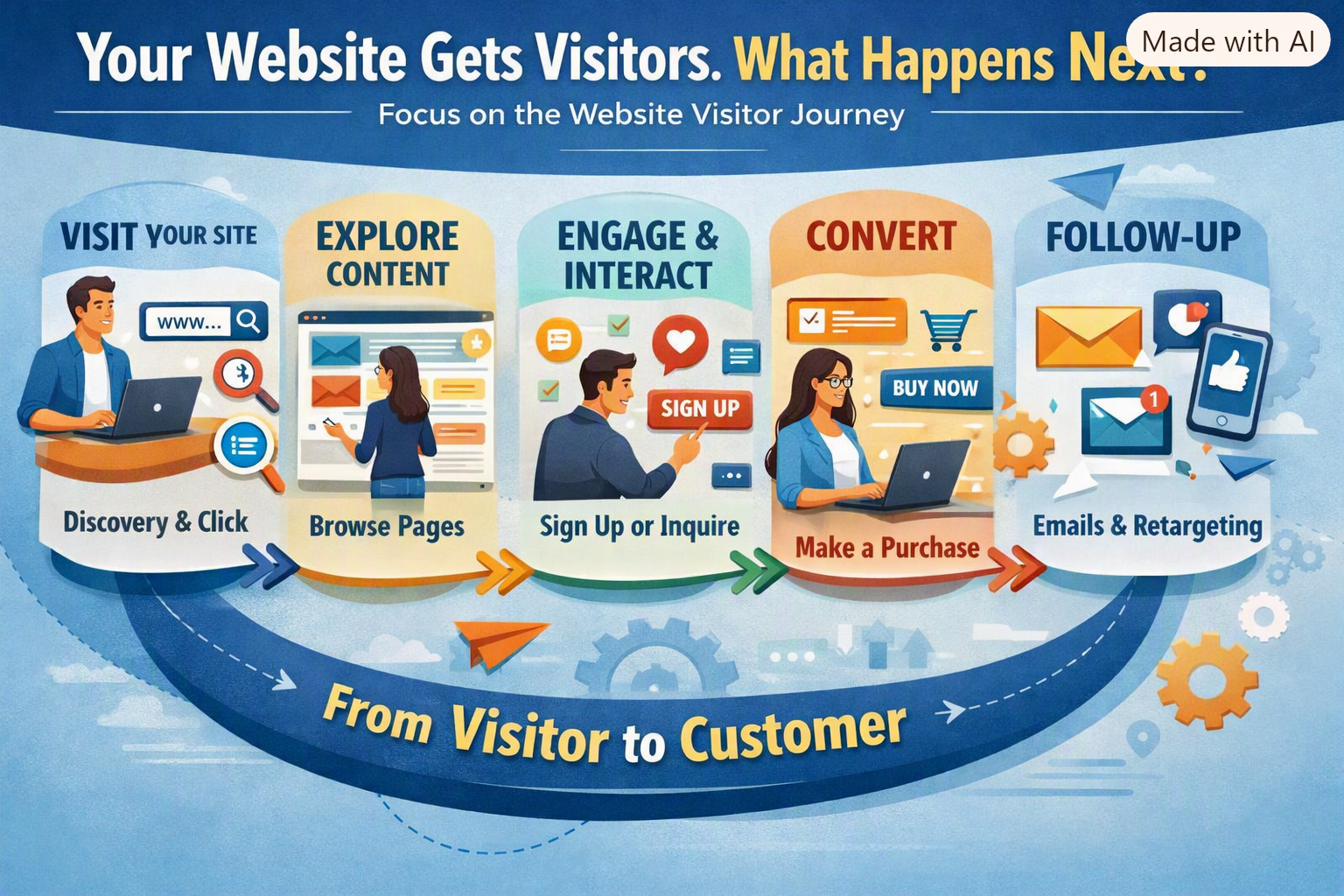
When I visit a prospect’s website, I’m trying to understand the business before we talk. What do they offer? Who do they serve? What would make someone choose them? Sometimes, the website leaves me with more questions than answers. I can find the business name and a few general statements, but I have to hunt for the information that would help me take the next step. As a business owner, you already know your services. You understand your process. You know what makes your work worth paying for. Someone visiting for the first time needs help seeing those things. Look at your website through a customer’s eyes Let’s use a hypothetical neighborhood gym. A person living nearby wants to start exercising again. They haven’t belonged to a gym in years, and they’re a little uncomfortable about walking into one. They find the gym’s website. There are photos of equipment and people lifting heavy weights. The headline says, “Reach Your Full Potential.” That sounds encouraging, but they still have questions. Are beginners welcome? Does someone explain how to use the equipment? Are there classes that fit around a work schedule? Can they visit before joining? If the website leaves those questions unanswered, making contact becomes another task they might put off. Give people something they can use For our hypothetical gym, a current class schedule would help. So would an introduction to the trainers and a short explanation of what happens during a first visit. Photos of the actual facility could help someone picture themselves there. Clear information about membership options could help them decide whether to inquire. Think about the questions people ask when they call your business. Those conversations can tell you what belongs on your website. You don’t have to answer everything. Give visitors enough information to feel comfortable continuing the conversation. Make the next step clear Suppose the gym’s main invitation is “Subscribe to our newsletter.” You know I believe in newsletters. Email marketing has been a large part of my work for 14 years. But someone considering a gym membership may first want to see the facility or speak with a trainer. “Schedule a tour” gives that person a useful next step. Explain what happens, too. How long does the tour take? Will someone answer questions about membership? Does the visitor need to bring anything? A clear invitation becomes more helpful when people know what to expect. Give interested visitors a reason to stay connected Some people will visit the gym’s website before they’re ready to join. Perhaps they’re comparing options or waiting for their schedule to settle down. Email can help maintain that connection, with their permission. Instead of simply asking them to subscribe, explain what they’ll receive. For this gym, that could mean beginner workout advice, class updates, and introductions to the trainers. Then deliver what you promised. Useful, consistent emails give people opportunities to get to know the business before making a decision. Decide what deserves attention first You may be reading this and wondering whether your website needs a complete redesign. That takes a closer look. An older design or a single-page format alone doesn’t tell us enough. Start with the information and actions your customers need. Check whether those are easy to find and use, especially on a phone. If your budget is limited, ask for a proposal that explains priorities. What can be improved within the existing site? What requires more work? What is each change intended to accomplish? You should understand what you’re paying for. Try this today: open your website and imagine you’re considering your business for the first time. Find a service. Look for answers to a few basic questions. Try to make an inquiry. Where do you hesitate? That’s a useful place to begin. At The JR Solutions, I’m preparing to add website development through a collaboration with another agency, alongside my content writing and email marketing services. If your website no longer reflects the business, you run today, let’s talk about what needs attention. Contact me at john@thejrsolutions.com
I Don't Really Have a Content Strategy. I Have a Habit of Being Honest.
By John R Ramos • September 23, 2026
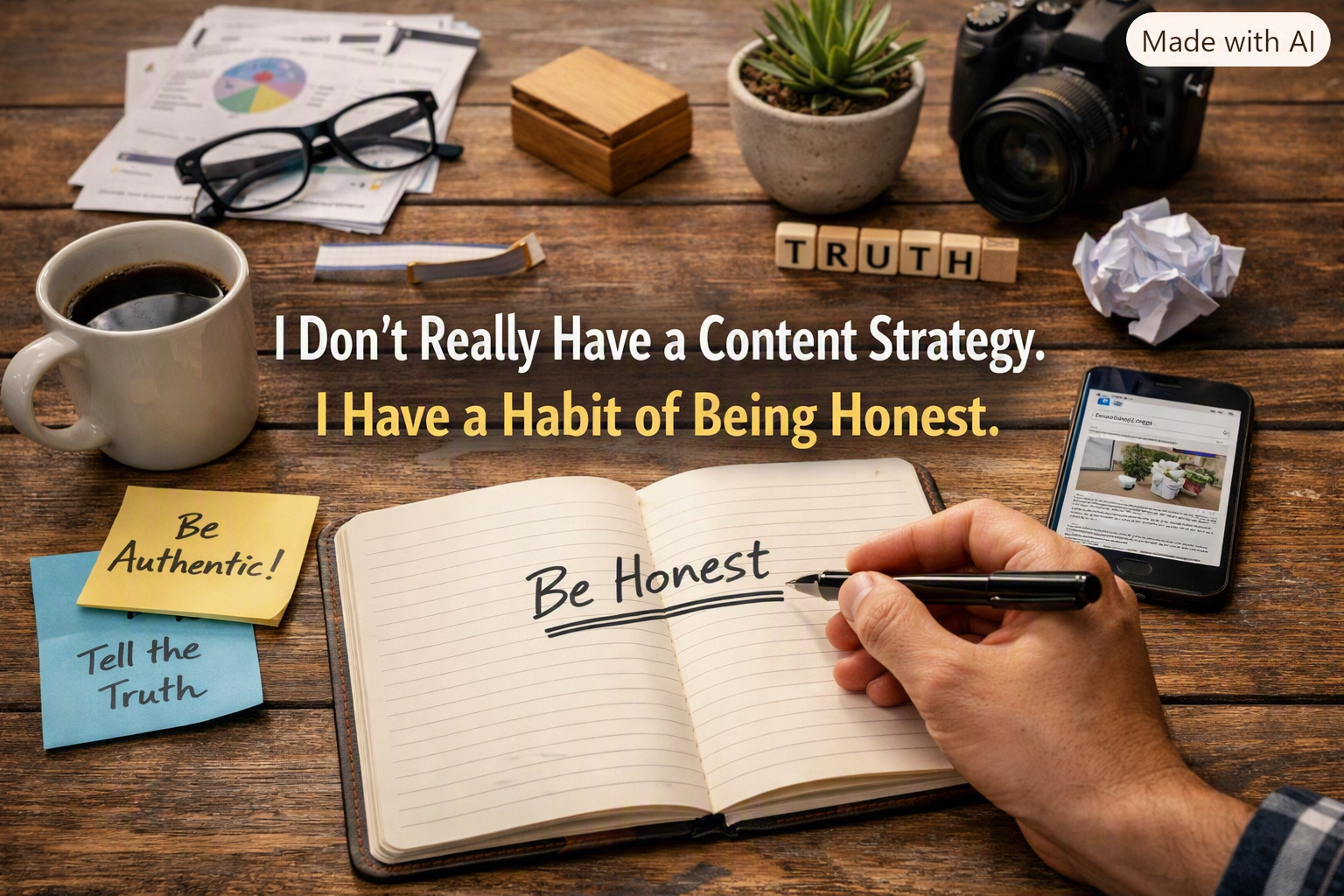
Part 3 of 3: how three articles about my own business became one lesson. Part 1 was about a process I thought I knew by heart. Part 2 was about a process I forgot I ever built. This one is different. This one is about the process behind this very series: how I decide what to write about each week. The honest answer is that there isn't one method. Some weeks I plan ahead. I pick a topic on Monday and have it written by Wednesday. Other weeks the topic finds me. Something breaks, something surprises me, or something forces me to look closely at my own business, and that becomes the article. A few of these pieces came from weeks that were harder than they looked from the outside. Part 2 came out of a stretch where client work had slowed and I needed a reason to sit down and actually examine my own systems instead of avoiding them. Writing about a missing automation was easier than saying out loud that business had gotten quiet. Putting it on the page made it real, and making it real made it easier to face.
By John R Ramos • September 2, 2026
A 14-year email marketing consultant admits he doesn't have an automation sequence running — and explains why that's the right call for now. Part 2 of 3.
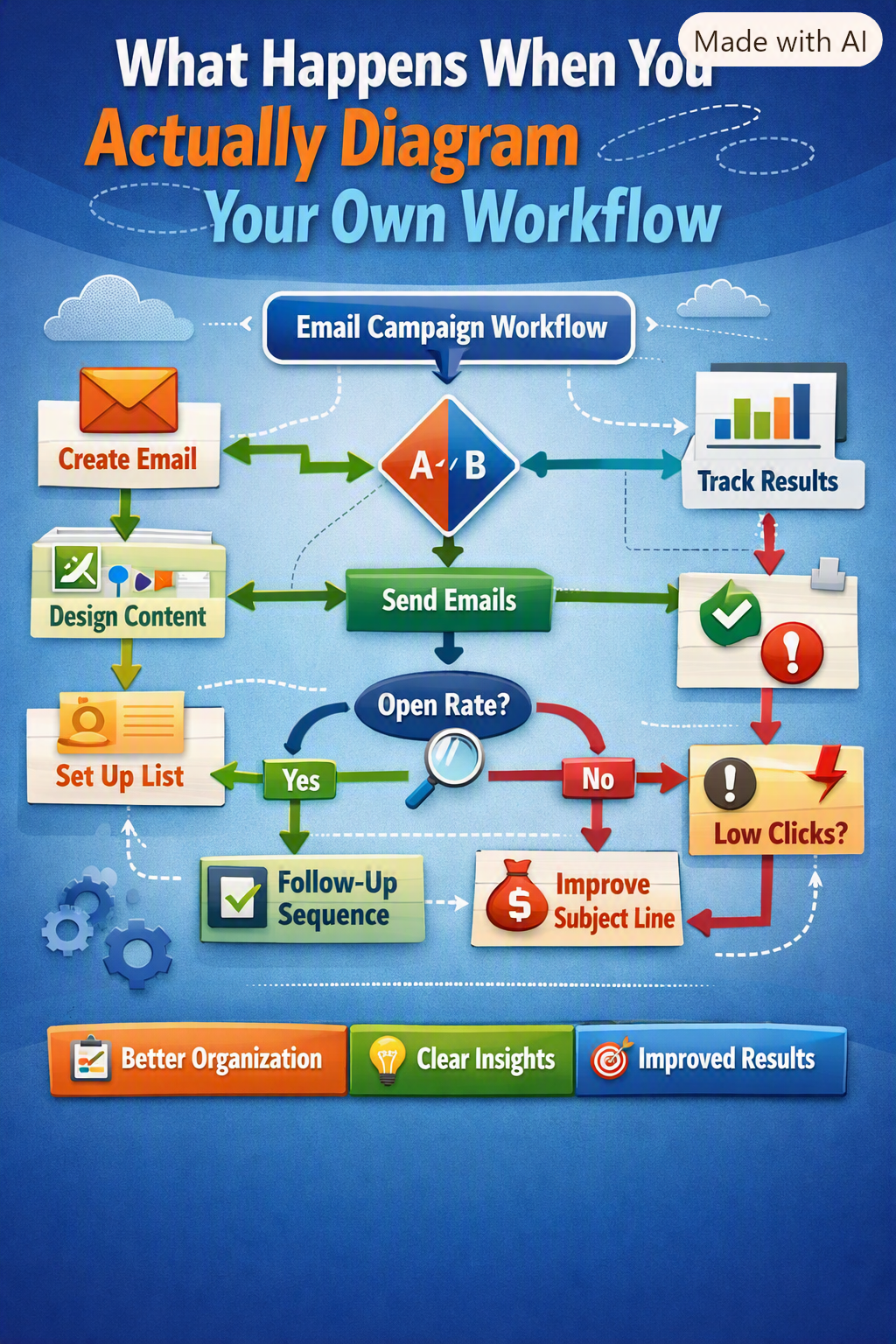
Flowchart of a nine-step email campaign-building process
By John R Ramos • August 17, 2026
A 14-year email marketing consultant flowcharted his own campaign-building process — and found a real gap in it. Part 1 of a 3-part series.
By John R Ramos • July 29, 2026
A 14-year email marketing consultant ran a real 30-day test letting AI write client emails. Here's what worked, what broke, and what to actually do.
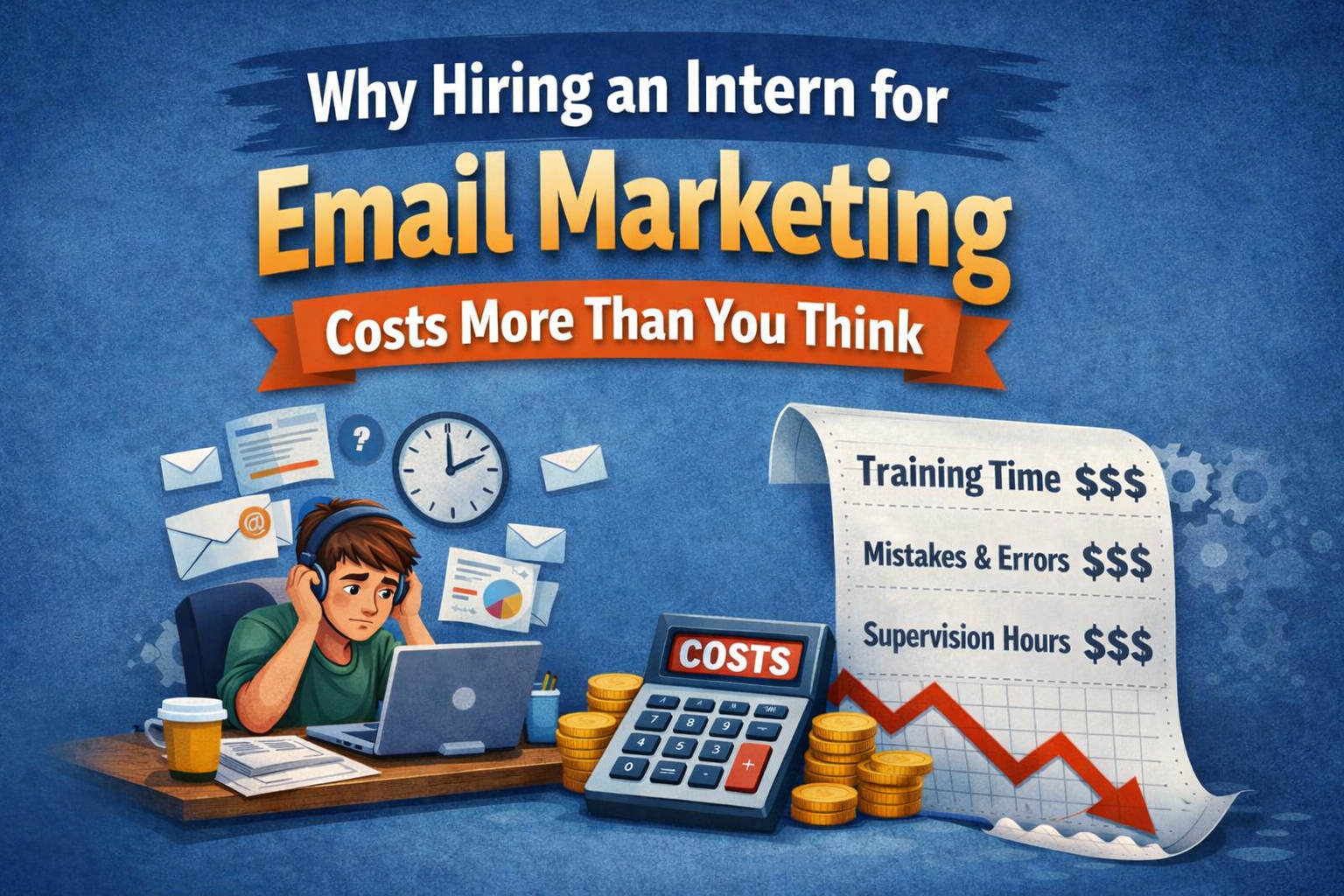
Why Hiring an Intern for Email Marketing Costs More Than You Think
By John R Ramos • June 30, 2026
Thinking about hiring an intern to handle your email marketing? Here's the hidden cost most small business owners don't see until it's too late — from a 14-year Constant Contact partner.
Why the Newsletter is the Most Underrated Marketing Tool a Small Business Has in 2026
By John R Ramos • June 12, 2026
Thinking about hiring an intern to handle your email marketing? Here's the hidden cost most small business owners don't see until it's too late — from a 14-year Constant Contact partner.
Small business owner reviewing email deliverability metrics on a laptop in Orlando, Florida,
By John R Ramos • June 9, 2026
Gmail and Outlook quietly changed the rules in late 2025. Here's why your small business marketing emails may not be arriving — and what to do.
By John R Ramos • June 8, 2026
You are sitting at your desk, looking at the monthly numbers, and the thought crosses your mind: maybe email marketing would help the business. Then you look at the budget again and shake your head. “I can't afford it right now.” I have heard those exact words from more small business owners than I can count. And after nearly 14 years working with small businesses across Orlando and Central Florida, I want to share something that might change how you think about that sentence. Almost every time someone tells me they can't afford email marketing, money is not the real reason. That is not a sales line. It is something I have watched play out over and over. The math, when you look at it honestly, almost always says they can afford it. What is actually going on underneath the surface is usually something completely different. And until we name that, the conversation about email marketing for small businesses never goes anywhere useful. So let us look at it together honestly.