Email Marketing for Content Kings: A Guide to Sustained Engagement

John R Ramos • June 23, 2025

In the realm of digital marketing, content is king. But to truly reign supreme, you need a trusted steed—email marketing. The combination of high-quality content and strategic email campaigns can propel your small to medium-sized business (SMB) to new heights of engagement and customer loyalty. Here’s a comprehensive guide on how to make this dynamic duo work for you.

Unlocking the Power of Email for Content Marketing

Email marketing isn't just about blasting out newsletters; it’s a sophisticated tool for distributing, nurturing, and amplifying your content. When used effectively, it transforms your emails from mere messages into powerful channels for audience engagement and brand building.

1. Align Email with Your Content Strategy

Begin by ensuring your email effort aligns with your broader content marketing goals. Your emails should extend, not replicate, your content calendar. Identify key pieces of content—such as blog posts, infographics, and videos—and plan how they will be promoted via email. This alignment guarantees coherence and maximizes the impact of each content piece.

.

2. Repurpose and Enrich Your Content

Email isn’t just for sharing links. It's a medium where you can repurpose and enrich your existing content. Turn a blog into an email series, highlight key statistics in infographics, or summarize a comprehensive guide into bite-sized tips. This not only maximizes the lifespan of your content but also caters to different audience preferences for consuming information.

.

3. Personalization and Segmentation

Mass emails are so yesterday. Today’s savvy marketers know that personalization and segmentation are key to cutting through the noise. Use data to segment your audience based on interests, behaviors, and demographics. Tailor your email content to each segment, addressing their specific pain points and interests. This hyper-personalization boosts open rates, click-throughs, and conversions.

.

4. Automate for Efficiency and Relevance

Automation is your best friend when it comes to sustained engagement. Set up automated email workflows that trigger based on user actions—such as welcome emails for new subscribers, abandoned cart reminders, or follow-up emails after a purchase. These automated touchpoints keep your brand top of mind without requiring constant manual intervention.

.

5. Measure and Optimize

Analytics is the heartbeat of any successful email marketing campaign. Track open rates, click-through rates, conversions, and unsubscribe rates. Use these metrics to understand what resonates with your audience and adjust your strategy accordingly. Remember, email isn’t a one-size-fits-all approach; continuous testing and optimization are essential.

Embrace the Email-Content Synergy


The marriage of content marketing and email is a powerful one, offering SMBs an opportunity to stand out in a crowded digital landscape. By following these strategies, you can elevate your content's reach, enhance customer interactions, and drive sustainable business growth.

.

Ready to Start Engaging More Customers? Try our 30-day free trial of Constant Contact and experience the power of email marketing for your content. Click here to get started today!

.

https://conta.cc/2IZyiPG

.

Constant Contact is a great option to explore if you are seeking to improve your email marketing strategy. You can try it out for 30 days for free with no obligations – no credit card is required. Follow the link above to learn more and get started today without any contracts.

.

For more information, please call [407] 617-2910

www.thejrsolutions.com


 #EmailMarketing, #ContentStrategy, #SMBGrowth, #EmailPersonalization, #DigitalMarketingTips

#thejrsolutions #constantcontact  


The JR Solutions Blog

By John R Ramos • November 6, 2026
A few years ago, I spent money on software that promised to help me write better marketing copies. I wanted to develop my copywriting skills professionally. The offer sounded practical: use this software to organize my thoughts and put together a more effective message. I bought it. I followed the instructions. I gave it a try. The content attracted little readership, and I didn’t see enough value to justify what I had spent. Looking at the finished work, I felt I could have written something comparable myself. Then the next offer arrived. This version would help me create more targeted messages, with better hooks and more persuasive words. A few days later, another offer followed. The upgrades were optional. But each message gave me another reason to question whether what I had already purchased was enough.
By John R Ramos • October 19, 2026
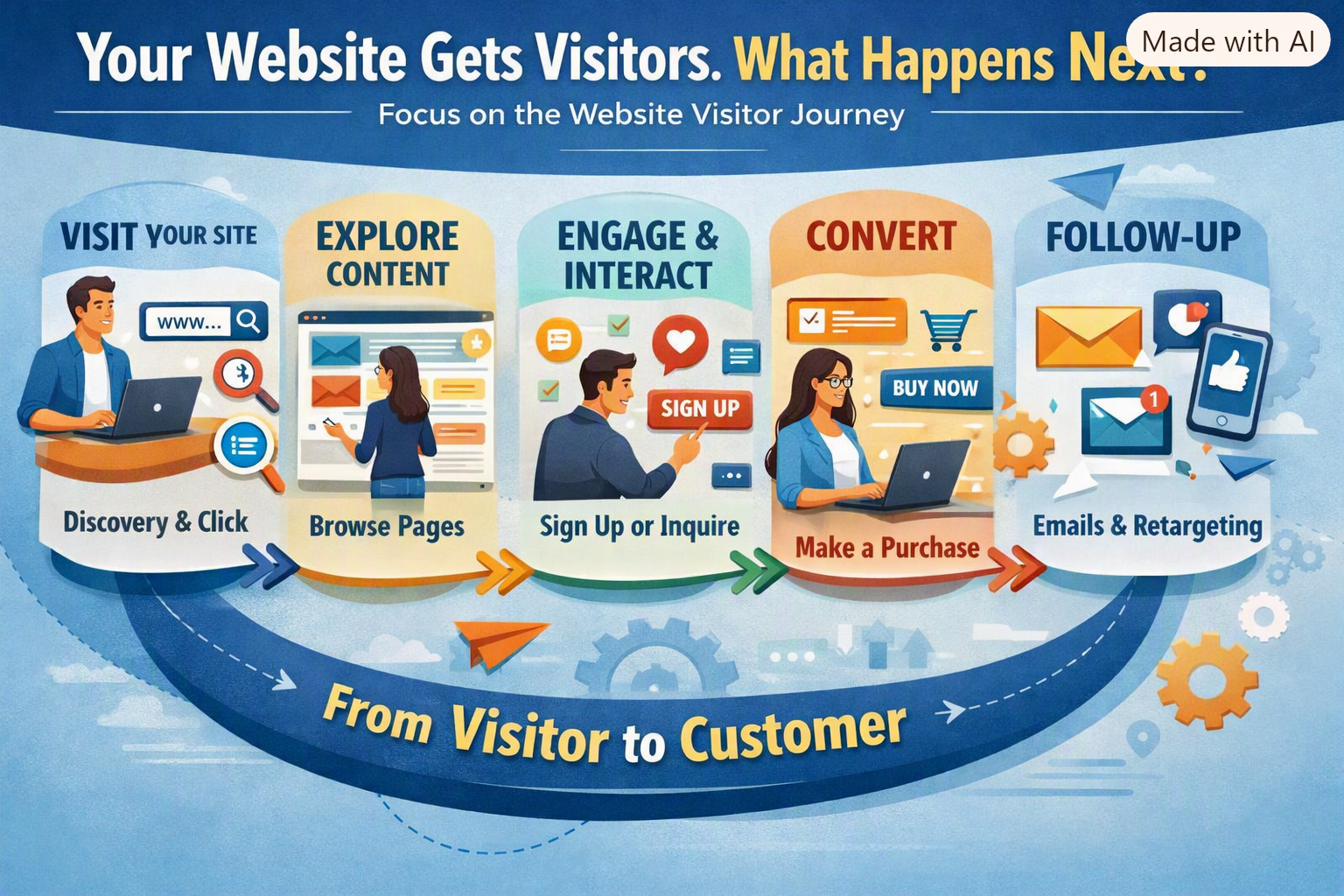
When I visit a prospect’s website, I’m trying to understand the business before we talk. What do they offer? Who do they serve? What would make someone choose them? Sometimes, the website leaves me with more questions than answers. I can find the business name and a few general statements, but I have to hunt for the information that would help me take the next step. As a business owner, you already know your services. You understand your process. You know what makes your work worth paying for. Someone visiting for the first time needs help seeing those things. Look at your website through a customer’s eyes Let’s use a hypothetical neighborhood gym. A person living nearby wants to start exercising again. They haven’t belonged to a gym in years, and they’re a little uncomfortable about walking into one. They find the gym’s website. There are photos of equipment and people lifting heavy weights. The headline says, “Reach Your Full Potential.” That sounds encouraging, but they still have questions. Are beginners welcome? Does someone explain how to use the equipment? Are there classes that fit around a work schedule? Can they visit before joining? If the website leaves those questions unanswered, making contact becomes another task they might put off. Give people something they can use For our hypothetical gym, a current class schedule would help. So would an introduction to the trainers and a short explanation of what happens during a first visit. Photos of the actual facility could help someone picture themselves there. Clear information about membership options could help them decide whether to inquire. Think about the questions people ask when they call your business. Those conversations can tell you what belongs on your website. You don’t have to answer everything. Give visitors enough information to feel comfortable continuing the conversation. Make the next step clear Suppose the gym’s main invitation is “Subscribe to our newsletter.” You know I believe in newsletters. Email marketing has been a large part of my work for 14 years. But someone considering a gym membership may first want to see the facility or speak with a trainer. “Schedule a tour” gives that person a useful next step. Explain what happens, too. How long does the tour take? Will someone answer questions about membership? Does the visitor need to bring anything? A clear invitation becomes more helpful when people know what to expect. Give interested visitors a reason to stay connected Some people will visit the gym’s website before they’re ready to join. Perhaps they’re comparing options or waiting for their schedule to settle down. Email can help maintain that connection, with their permission. Instead of simply asking them to subscribe, explain what they’ll receive. For this gym, that could mean beginner workout advice, class updates, and introductions to the trainers. Then deliver what you promised. Useful, consistent emails give people opportunities to get to know the business before making a decision. Decide what deserves attention first You may be reading this and wondering whether your website needs a complete redesign. That takes a closer look. An older design or a single-page format alone doesn’t tell us enough. Start with the information and actions your customers need. Check whether those are easy to find and use, especially on a phone. If your budget is limited, ask for a proposal that explains priorities. What can be improved within the existing site? What requires more work? What is each change intended to accomplish? You should understand what you’re paying for. Try this today: open your website and imagine you’re considering your business for the first time. Find a service. Look for answers to a few basic questions. Try to make an inquiry. Where do you hesitate? That’s a useful place to begin. At The JR Solutions, I’m preparing to add website development through a collaboration with another agency, alongside my content writing and email marketing services. If your website no longer reflects the business, you run today, let’s talk about what needs attention. Contact me at john@thejrsolutions.com
I Don't Really Have a Content Strategy. I Have a Habit of Being Honest.
By John R Ramos • September 23, 2026
Part 3 of 3: how three articles about my own business became one lesson. Part 1 was about a process I thought I knew by heart. Part 2 was about a process I forgot I ever built. This one is different. This one is about the process behind this very series: how I decide what to write about each week. The honest answer is that there isn't one method. Some weeks I plan ahead. I pick a topic on Monday and have it written by Wednesday. Other weeks the topic finds me. Something breaks, something surprises me, or something forces me to look closely at my own business, and that becomes the article. A few of these pieces came from weeks that were harder than they looked from the outside. Part 2 came out of a stretch where client work had slowed and I needed a reason to sit down and actually examine my own systems instead of avoiding them. Writing about a missing automation was easier than saying out loud that business had gotten quiet. Putting it on the page made it real, and making it real made it easier to face.
By John R Ramos • September 2, 2026
A 14-year email marketing consultant admits he doesn't have an automation sequence running — and explains why that's the right call for now. Part 2 of 3.
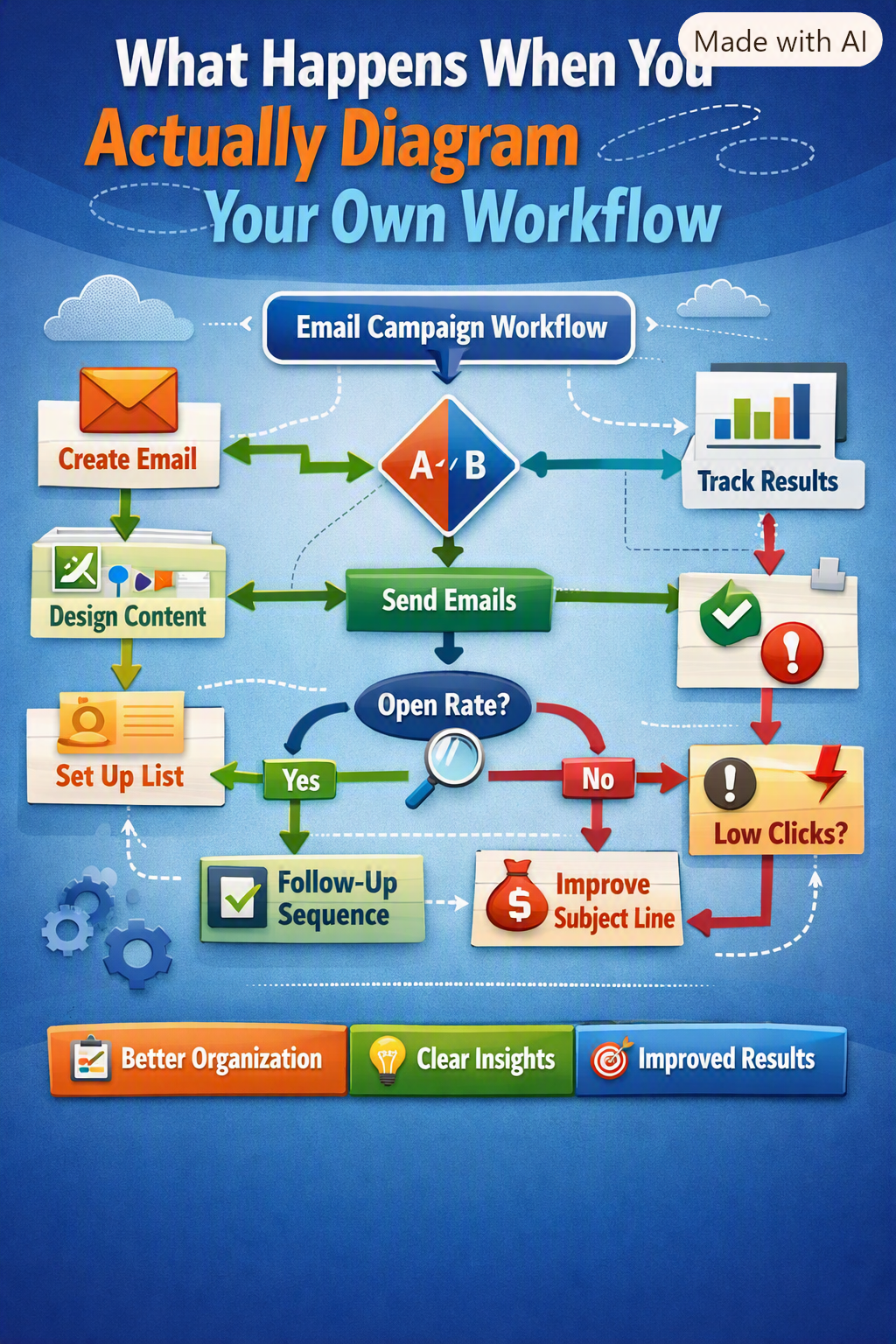
Flowchart of a nine-step email campaign-building process
By John R Ramos • August 17, 2026
A 14-year email marketing consultant flowcharted his own campaign-building process — and found a real gap in it. Part 1 of a 3-part series.
By John R Ramos • July 29, 2026
A 14-year email marketing consultant ran a real 30-day test letting AI write client emails. Here's what worked, what broke, and what to actually do.
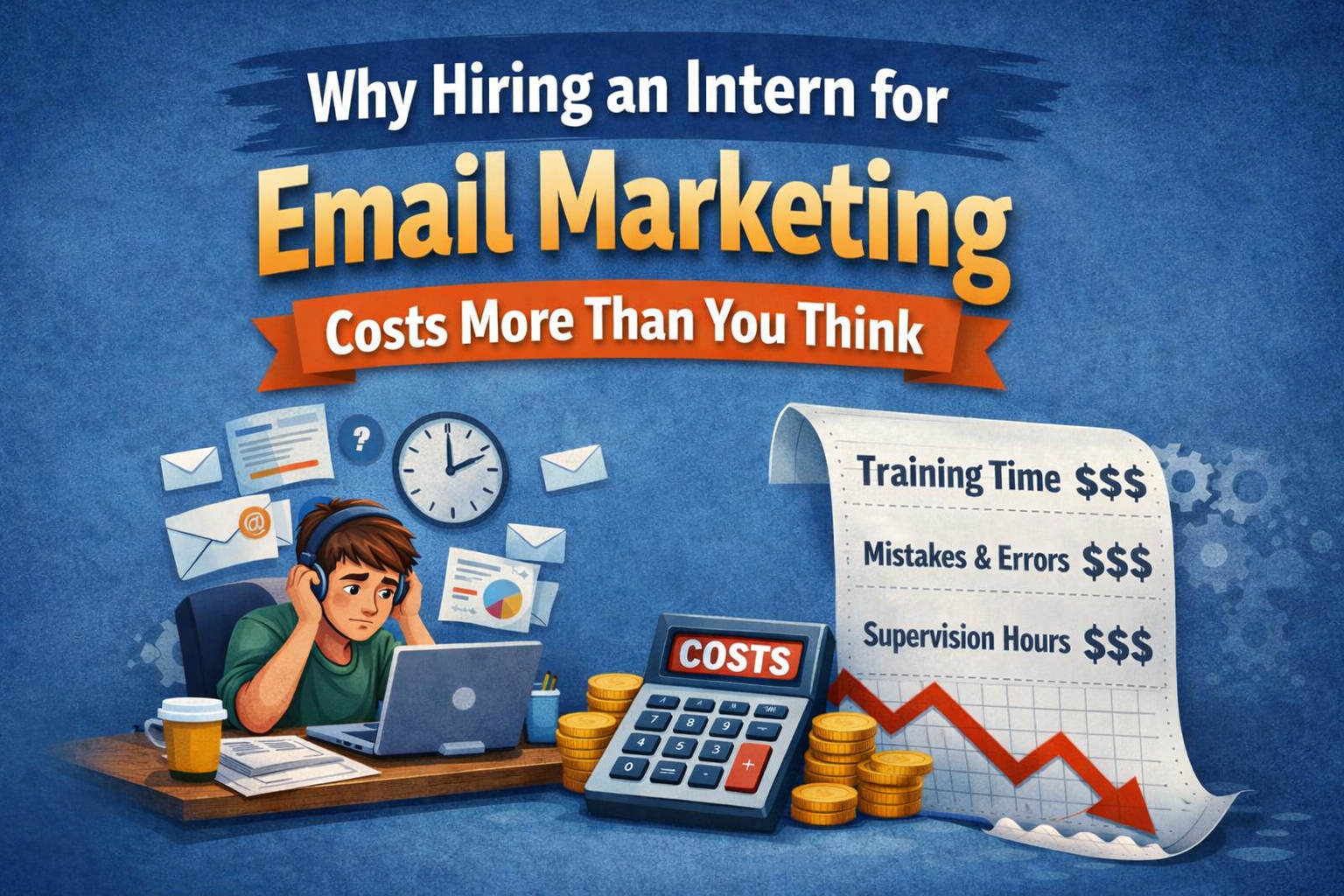
Why Hiring an Intern for Email Marketing Costs More Than You Think
By John R Ramos • June 30, 2026
Thinking about hiring an intern to handle your email marketing? Here's the hidden cost most small business owners don't see until it's too late — from a 14-year Constant Contact partner.
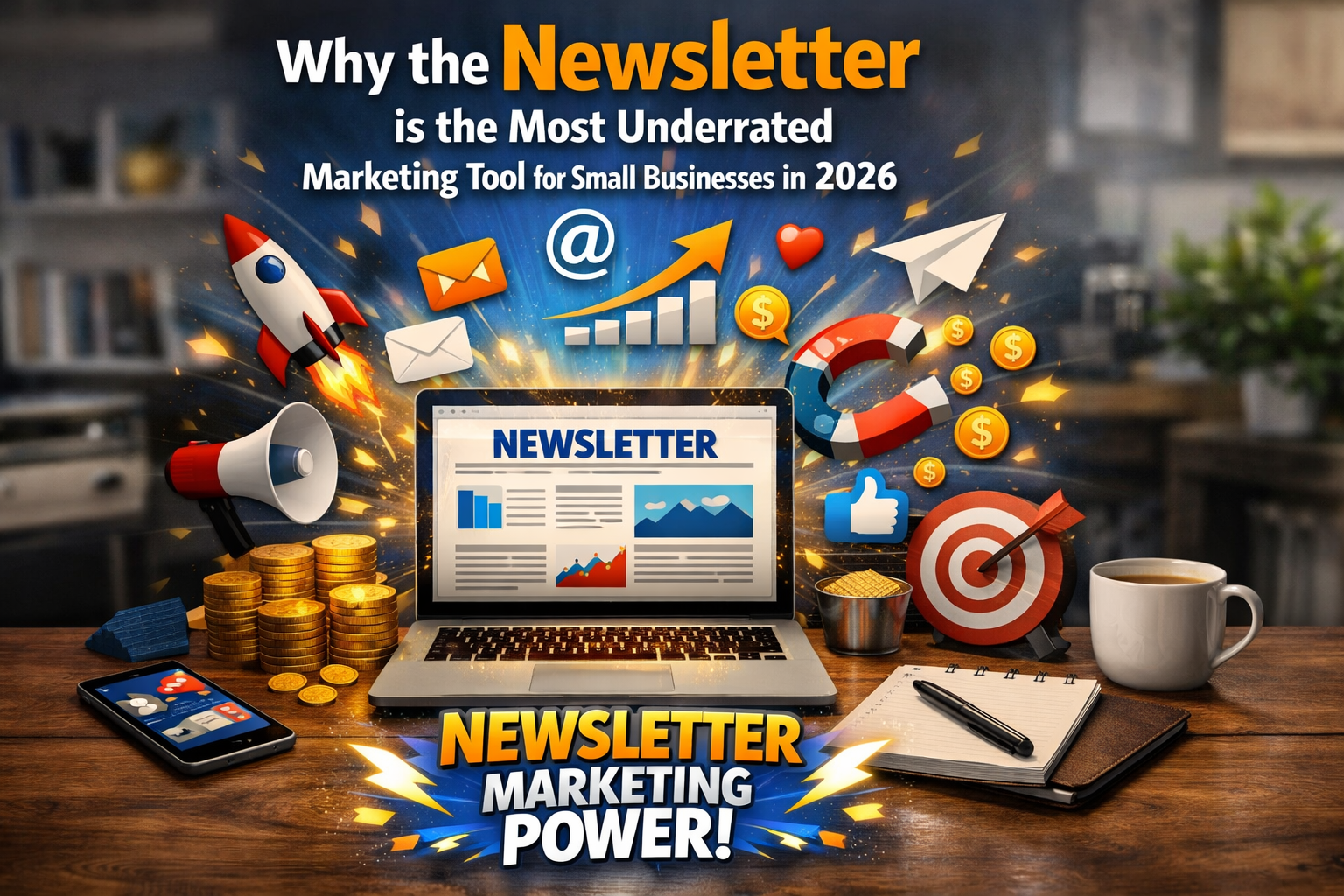
Why the Newsletter is the Most Underrated Marketing Tool a Small Business Has in 2026
By John R Ramos • June 12, 2026
Thinking about hiring an intern to handle your email marketing? Here's the hidden cost most small business owners don't see until it's too late — from a 14-year Constant Contact partner.
Small business owner reviewing email deliverability metrics on a laptop in Orlando, Florida,
By John R Ramos • June 9, 2026
Gmail and Outlook quietly changed the rules in late 2025. Here's why your small business marketing emails may not be arriving — and what to do.
By John R Ramos • June 8, 2026
You are sitting at your desk, looking at the monthly numbers, and the thought crosses your mind: maybe email marketing would help the business. Then you look at the budget again and shake your head. “I can't afford it right now.” I have heard those exact words from more small business owners than I can count. And after nearly 14 years working with small businesses across Orlando and Central Florida, I want to share something that might change how you think about that sentence. Almost every time someone tells me they can't afford email marketing, money is not the real reason. That is not a sales line. It is something I have watched play out over and over. The math, when you look at it honestly, almost always says they can afford it. What is actually going on underneath the surface is usually something completely different. And until we name that, the conversation about email marketing for small businesses never goes anywhere useful. So let us look at it together honestly.