
Online Reputation Management >Spanish Version/Manejo de Reputación en Línea
John R Ramos • May 4, 2020
La realidad de Internet es que muy pocos prospectos se preocuparán por saber quién eres en lo más profundo como organización, negocio o individuo.
La mayoría de nosotros tomaremos decisiones rápidas basadas en un vistazo a nuestra reputación en línea.
No importa si su reputación o marca en línea es precisa o no.
Supervisar y administrar su reputación en línea se han vuelto recientemente tan vitales como cualquier otro marketing que pueda estar haciendo.
Hay un término en el mercado que usted a la mejor lo ha oído, "Manejo de Reputación en Línea". Es un término que debes aceptar.
Bajo las viejas reglas, si molestas a un cliente, a todos nos dijeron que esperáramos que se lo dijeran a siete de sus amigos. Concluyendo que un cliente molesto ocasionalmente era aceptable y esperado, pero ciertamente no potencialmente devastador.
Ahora las cosas han cambiado. Si alguien tiene algo malo que decir sobre ti, su comentario podría publicarse semipermanentemente en la página uno de Google durante meses o años. Al principio, puede parecer insignificante porque después de todo, puede ser un cliente insatisfecho, pero lo que debe tener en cuenta es que cientos o incluso miles de clientes potenciales pueden verlo. Los motores de búsqueda se utilizan intensivamente ahora en día para conocer industrias, personas, o negocios que alguien está considerando obtener sus servicios y si le gusta o no, su negocio, nombre, u organización está en la lista de aquellos que se verán afectados. Esto se pude empeorará antes de que mejoré porque en Google, las malas noticias flotan.
Lo que está en juego es alto. La verdad del asunto, no mucha gente se tomará el tiempo para investigar el trasfondo de las noticias que se están publicando. Van a creer en lo negativo y siguen adelante.
Pero estoy aquí para decirle que, si usted es proactivo, puede administrar su reputación en línea si usted es un pequeño o mediano negocio, y por supuesto, se aplica a cualquier gran empresa.
En mi firma, The JR Solutions, hemos proporcionado servicios de marketing a una base de clientes bastante grande durante los últimos 6+/- años con nuestro nombre y nombre comercial orgullosamente unidos a cada transacción.
Les gustaría probar marketing por correo electrónico - inicie una nueva cuenta HOY durante (60) días
-GRATIS!!! ...Sin tarjeta de crédito.... ¡Sin contrato! Haga clic en el enlace ...https://conta.cc/2IZyiPG

Así que usted puede estar preguntando, ¿es posible mantener una gran base de clientes 100%% feliz todo el tiempo. La respuesta es un CLARO NO – es casi imposible. Ningún negocio es perfecto.
El objetivo realista para su negocio debe ser solucionar cada problema rápidamente y no permitir que nadie se enfade tanto que publiquen cosas evidentemente negativas sobre usted en línea. En la ocasión en que una situación se le escapa, usted necesita estar preparado para combatir los comentarios negativos estratégicamente. Es posible gestionar su reputación a través de un gran número de transacciones y clientes, incluso si sólo tiene un personal pequeño.
Una excelente estrategia para prevenir o mantener a raya cualquier tipo o prevenir la escalada de mala reputación es inundar intencionalmente la Internet con buenas noticias y testimonios sobre usted y su empresa. Esto ayudará a tener cualquier noticia negativa de propagarse demasiado. Es posible que necesite ayuda de clientes leales, siempre y cuando se haga éticamente.
En resumen:
La red de potencial de las relaciones instantáneas en línea y la información ilimitada de los clientes actuales pueden hacer correr la voz a un número inimaginable de posibles clientes potenciales si solo les da una buena razón.
¡Prácticamente todos los clientes tienen un megáfono!
Me doy cuenta de que estamos en medio de una pandemia y cada uno de nosotros está tratando de reinventar la rueda. La red de contactos potenciales de los que todos sus clientes forman parte se parece a cualquier cosa que hayamos visto en el negocio y está creciendo a un ritmo inimaginable. Debido a que estamos en medio de una situación sin precedentes, debemos encontrar formas creativas de ser proactivo con los prospectos que están directamente conectados con sus clientes actuales.
Ya no es lo suficientemente ser bueno en lo que uno hace. Para sobrealimentar su reputación en línea debe animar proactivamente a sus clientes a difundir la palabra.
Aquí hay unas ideas:
- Tenga un ordenador portátil o iPad a mano en el vestíbulo de su negocio o en la sala de espera y publique un letrero cercano que diga: “Acceso a Internet. Le que pedimos a cambio es que les cuente a sus amigos acerca de su experiencia con nosotros hoy en sus canales de redes sociales".
- En cada correo electrónico o correspondencia que envíe, pida a sus clientes que le envíen historias de éxito con su empresa en línea.
- Pídale a sus clientes que envíen cualquier foto que puedan tener de sus experiencias con su negocio.
- Celebre un concurso y publíquelo en YouTube
- Tenga productos promocionales, especialmente una camiseta con el logotipo de su empresa, y simplemente regalarlo.
En resumen:
No te hagas una reseña.
Siempre revise todas las publicaciones sobre su negocio. Si ves algo negativo, dele de frente inmediatamente. Demuestre que usted está consciente de la situación y que va a tomar medidas para corregir el problema si lo hay.
Así que ahora usted sabe un poco acerca de la "Manejo de Reputación en Línea".
Y como siempre, espero que, si encuentras este artículo de valor, lo compartas en tus plataformas de redes sociales.
Por favor, hágamelo saber si hay algo que pueda ser de ayuda con su marketing. Usted es sin duda bienvenido a ponerse en contacto con nosotros si desea tener una consulta gratuita de 1/2 hora.
Si tiene un tema que desea que cubramos, envíenos un correo electrónico a john@thejrsolutions.com Estaremos encantados de tratar de satisfacer su solicitud.
POST WRITTEN BY
John R. Ramos
The JR Solutions Blog

A few years ago, I spent money on software that promised to help me write better marketing copies. I wanted to develop my copywriting skills professionally. The offer sounded practical: use this software to organize my thoughts and put together a more effective message. I bought it. I followed the instructions. I gave it a try. The content attracted little readership, and I didn’t see enough value to justify what I had spent. Looking at the finished work, I felt I could have written something comparable myself. Then the next offer arrived. This version would help me create more targeted messages, with better hooks and more persuasive words. A few days later, another offer followed. The upgrades were optional. But each message gave me another reason to question whether what I had already purchased was enough.

When I visit a prospect’s website, I’m trying to understand the business before we talk. What do they offer? Who do they serve? What would make someone choose them? Sometimes, the website leaves me with more questions than answers. I can find the business name and a few general statements, but I have to hunt for the information that would help me take the next step. As a business owner, you already know your services. You understand your process. You know what makes your work worth paying for. Someone visiting for the first time needs help seeing those things. Look at your website through a customer’s eyes Let’s use a hypothetical neighborhood gym. A person living nearby wants to start exercising again. They haven’t belonged to a gym in years, and they’re a little uncomfortable about walking into one. They find the gym’s website. There are photos of equipment and people lifting heavy weights. The headline says, “Reach Your Full Potential.” That sounds encouraging, but they still have questions. Are beginners welcome? Does someone explain how to use the equipment? Are there classes that fit around a work schedule? Can they visit before joining? If the website leaves those questions unanswered, making contact becomes another task they might put off. Give people something they can use For our hypothetical gym, a current class schedule would help. So would an introduction to the trainers and a short explanation of what happens during a first visit. Photos of the actual facility could help someone picture themselves there. Clear information about membership options could help them decide whether to inquire. Think about the questions people ask when they call your business. Those conversations can tell you what belongs on your website. You don’t have to answer everything. Give visitors enough information to feel comfortable continuing the conversation. Make the next step clear Suppose the gym’s main invitation is “Subscribe to our newsletter.” You know I believe in newsletters. Email marketing has been a large part of my work for 14 years. But someone considering a gym membership may first want to see the facility or speak with a trainer. “Schedule a tour” gives that person a useful next step. Explain what happens, too. How long does the tour take? Will someone answer questions about membership? Does the visitor need to bring anything? A clear invitation becomes more helpful when people know what to expect. Give interested visitors a reason to stay connected Some people will visit the gym’s website before they’re ready to join. Perhaps they’re comparing options or waiting for their schedule to settle down. Email can help maintain that connection, with their permission. Instead of simply asking them to subscribe, explain what they’ll receive. For this gym, that could mean beginner workout advice, class updates, and introductions to the trainers. Then deliver what you promised. Useful, consistent emails give people opportunities to get to know the business before making a decision. Decide what deserves attention first You may be reading this and wondering whether your website needs a complete redesign. That takes a closer look. An older design or a single-page format alone doesn’t tell us enough. Start with the information and actions your customers need. Check whether those are easy to find and use, especially on a phone. If your budget is limited, ask for a proposal that explains priorities. What can be improved within the existing site? What requires more work? What is each change intended to accomplish? You should understand what you’re paying for. Try this today: open your website and imagine you’re considering your business for the first time. Find a service. Look for answers to a few basic questions. Try to make an inquiry. Where do you hesitate? That’s a useful place to begin. At The JR Solutions, I’m preparing to add website development through a collaboration with another agency, alongside my content writing and email marketing services. If your website no longer reflects the business, you run today, let’s talk about what needs attention. Contact me at john@thejrsolutions.com

Part 3 of 3: how three articles about my own business became one lesson. Part 1 was about a process I thought I knew by heart. Part 2 was about a process I forgot I ever built. This one is different. This one is about the process behind this very series: how I decide what to write about each week. The honest answer is that there isn't one method. Some weeks I plan ahead. I pick a topic on Monday and have it written by Wednesday. Other weeks the topic finds me. Something breaks, something surprises me, or something forces me to look closely at my own business, and that becomes the article. A few of these pieces came from weeks that were harder than they looked from the outside. Part 2 came out of a stretch where client work had slowed and I needed a reason to sit down and actually examine my own systems instead of avoiding them. Writing about a missing automation was easier than saying out loud that business had gotten quiet. Putting it on the page made it real, and making it real made it easier to face.

A 14-year email marketing consultant admits he doesn't have an automation sequence running — and explains why that's the right call for now. Part 2 of 3.
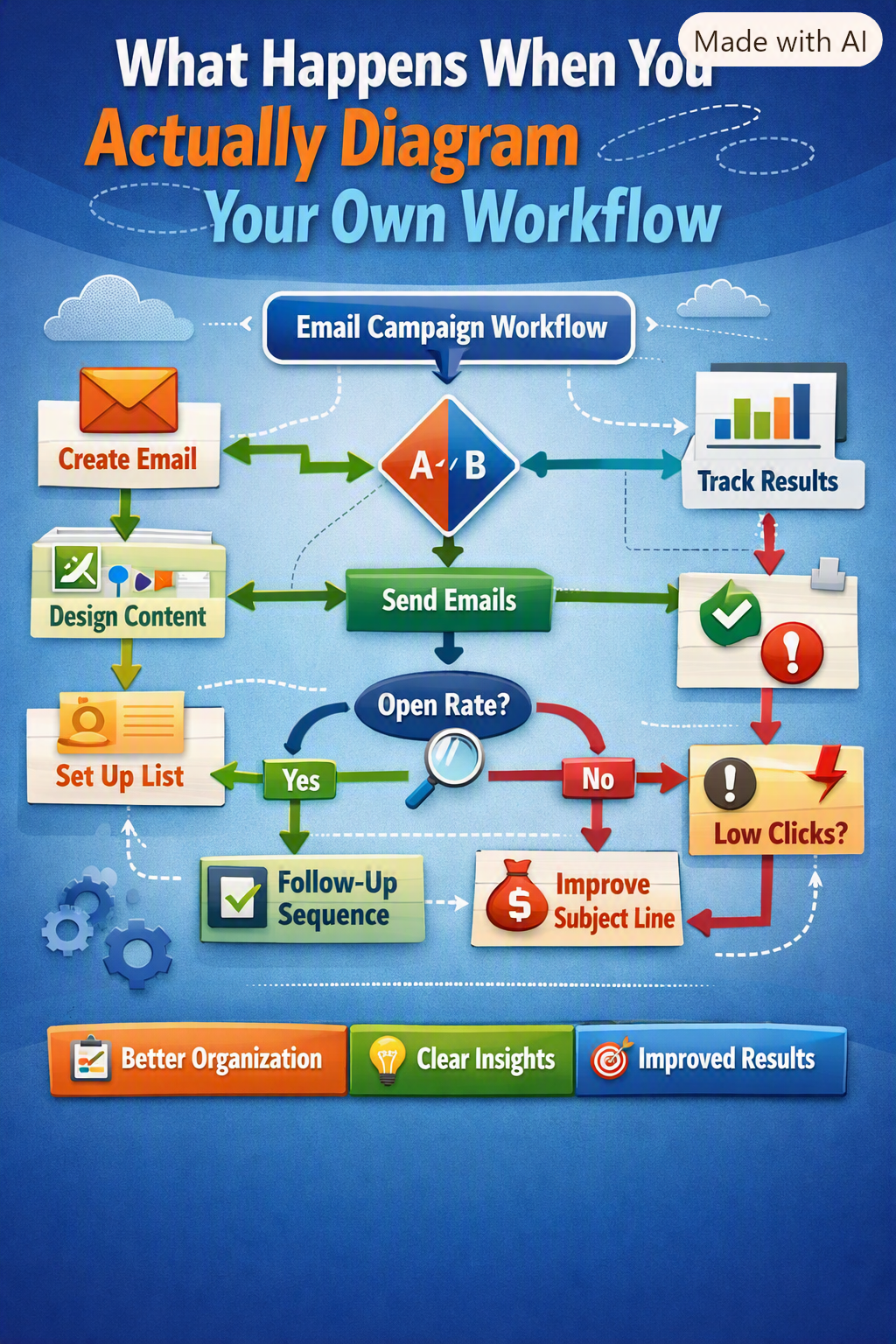
A 14-year email marketing consultant flowcharted his own campaign-building process — and found a real gap in it. Part 1 of a 3-part series.

A 14-year email marketing consultant ran a real 30-day test letting AI write client emails. Here's what worked, what broke, and what to actually do.
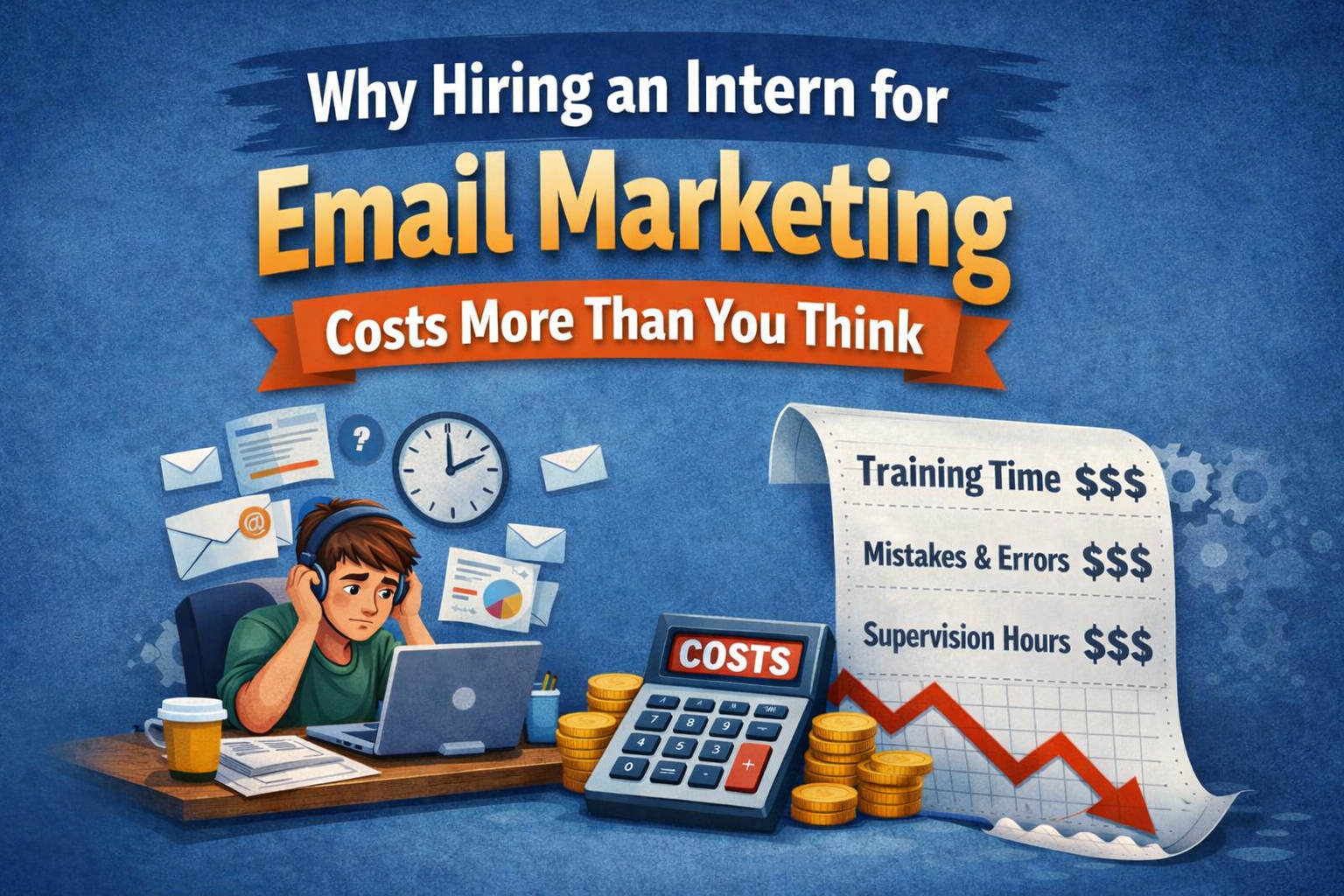
Thinking about hiring an intern to handle your email marketing? Here's the hidden cost most small business owners don't see until it's too late — from a 14-year Constant Contact partner.

Thinking about hiring an intern to handle your email marketing? Here's the hidden cost most small business owners don't see until it's too late — from a 14-year Constant Contact partner.

Gmail and Outlook quietly changed the rules in late 2025. Here's why your small business marketing emails may not be arriving — and what to do.

You are sitting at your desk, looking at the monthly numbers, and the thought crosses your mind: maybe email marketing would help the business. Then you look at the budget again and shake your head. “I can't afford it right now.” I have heard those exact words from more small business owners than I can count. And after nearly 14 years working with small businesses across Orlando and Central Florida, I want to share something that might change how you think about that sentence. Almost every time someone tells me they can't afford email marketing, money is not the real reason. That is not a sales line. It is something I have watched play out over and over. The math, when you look at it honestly, almost always says they can afford it. What is actually going on underneath the surface is usually something completely different. And until we name that, the conversation about email marketing for small businesses never goes anywhere useful. So let us look at it together honestly.